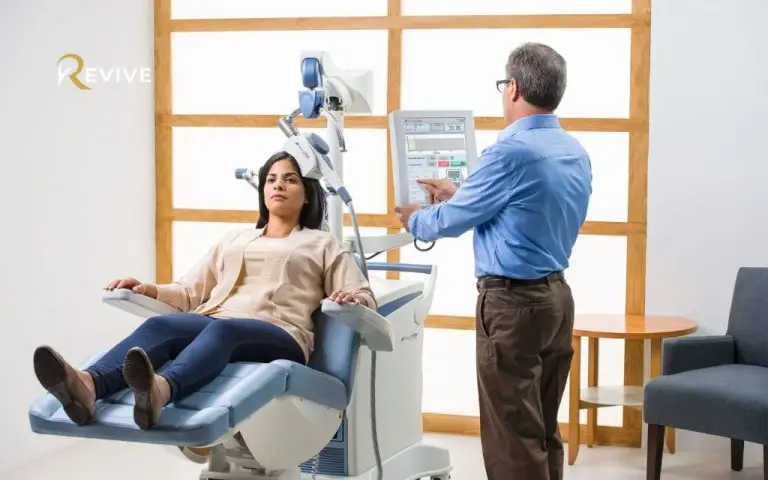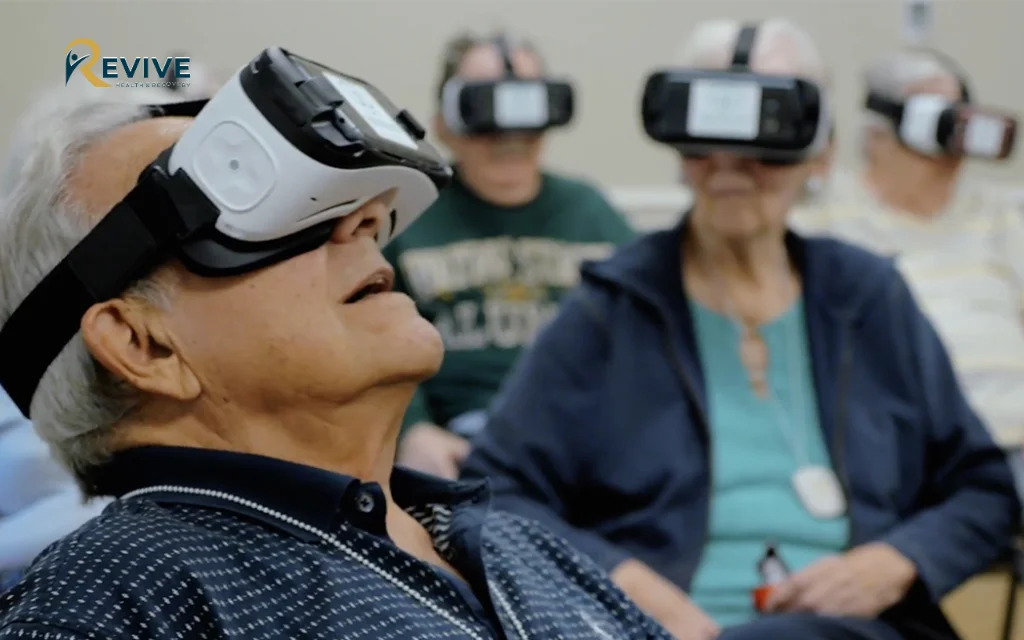
You live with trauma and wonder if virtual reality exposure therapy can help you feel safe again. Many Denver residents carry the weight of PTSD from combat, first responder work, accidents, or personal violence. Virtual reality exposure therapy guides you through difficult memories inside controlled 3D environments, while trauma-focused online communities connect you with others who understand.
When mental health professionals guide these tools at your pace, they can reduce flashbacks, anxiety, and avoidance while rebuilding connection. This article explains how trauma and virtual reality communities work together, what to expect in Colorado, and how Revive Health Recovery supports healing through outpatient care in Denver.
What does “trauma and virtual reality communities” really mean?
Trauma describes your nervous system response to events that overwhelm your ability to cope. Post-traumatic stress disorder develops when that survival response stays active even after danger passes. Common PTSD symptoms include flashbacks, nightmares, avoidance, hyperarousal, and emotional numbing.
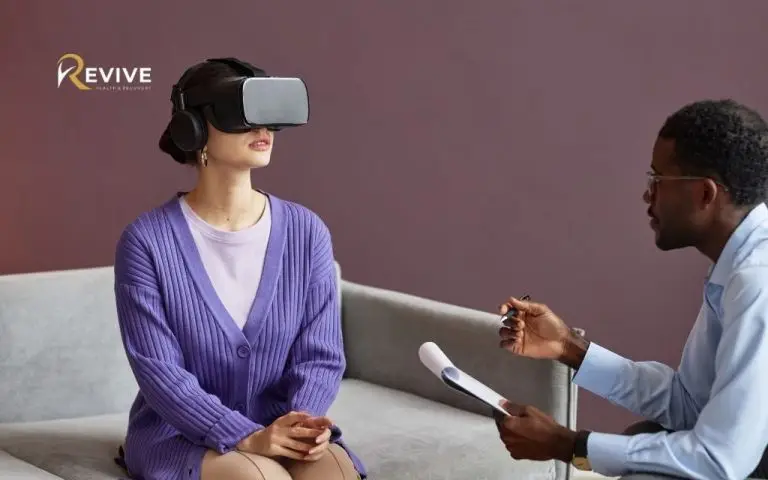
Virtual reality exposure therapy uses 3D environments delivered through headsets to help you confront trauma-related cues safely. Instead of imagining scenes, you see and hear them while your therapist guides the process. This helps retune your nervous system by teaching your brain that the memory no longer signals present danger.
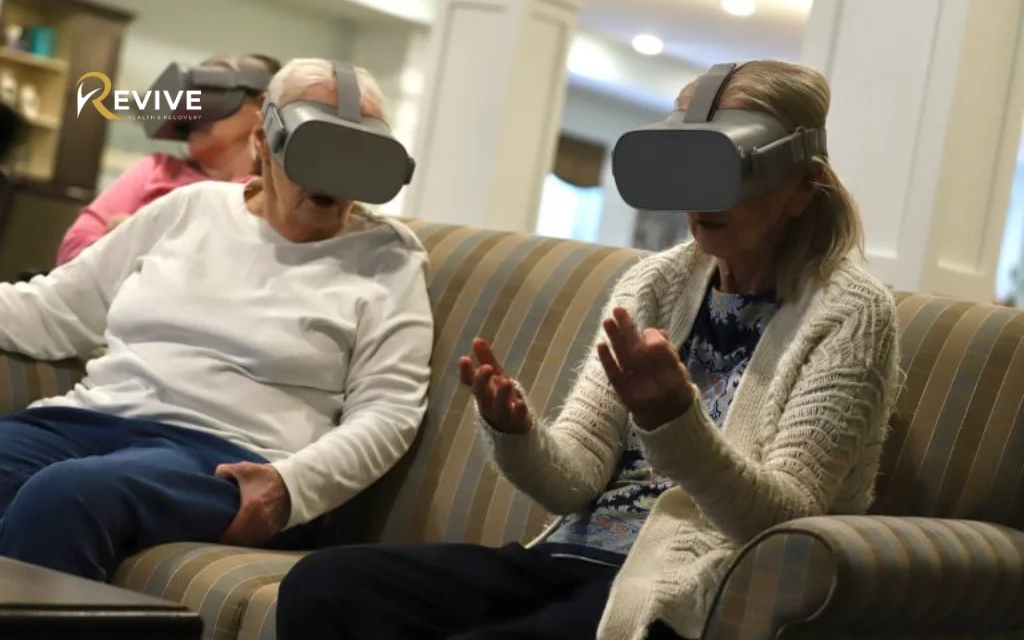
Virtual communities are online groups and VR spaces where trauma survivors share experiences and support each other. These spaces reduce isolation and normalize trauma responses between therapy sessions. The combination offers two paths: VR exposure therapy addresses clinical symptoms through therapist-guided work, while virtual communities provide peer connection.
How virtual reality exposure therapy supports trauma recovery
The science behind VRET and exposure therapy
Exposure therapy operates on a simple principle: gradual, safe exposure to trauma reminders reduces fear over time. Your brain learns that the memory itself cannot hurt you now. Virtual reality exposure therapy replaces imagined scenes with immersive digital environments your therapist controls minute by minute.
Research on PTSD treatment, particularly with veterans and first responders, shows symptom reductions after structured VRET programs. Studies document decreased nightmares, fewer panic attacks, and increased ability to participate in activities trauma once made impossible.
What happens in a VR trauma session?
Your therapist starts with assessment and goal-setting. Together, you build a hierarchy of triggers from least to most distressing. Before the headset goes on, you learn grounding strategies like breathing techniques and mantras you can use if emotions feel too big.
When you put on the headset, you see a customized scenario related to your trauma. For a car accident survivor, this might start with sitting in a parked virtual car. Your therapist controls sound, visuals, and intensity, adjusting based on your feedback and physiological responses like heart rate and sweating.
Sessions last 60 to 90 minutes. You can pause or stop anytime. Afterward, your therapist helps you debrief what you noticed and what needs adjustment next time.
Benefits and limitations of VR for trauma
| Benefits | Limitations |
| Greater immersion than imagining scenes | Not appropriate for severe dissociation or unmanaged substance use |
| Fine-tuned control over trigger intensity | Requires trained providers, limiting availability |
| Recreates hard-to-access settings like combat zones | Not a quick fix; recovery takes time and effort |
| Potential for fewer total sessions | May increase distress temporarily before improving |
| Reduced stigma with technology-based care | Equipment costs can make it more expensive |
VR therapy works best when combined with skills-building, psychoeducation, and supportive relationships. It is a clinical tool that amplifies the work you do with a skilled therapist, not a standalone solution.
Understanding virtual reality communities for trauma survivors
Types of online and VR trauma communities
Moderated online support groups meet through video platforms, allowing people across Colorado to join without driving. Therapist-led virtual groups combine peer support with professional guidance. Peer-led VR meetups happen in platforms where survivors create avatars and gather in digital spaces.
Hybrid communities blend in-person and virtual attendance. A Denver trauma group might meet at a community center while opening a video link for remote participants. This flexibility increases access and reduces isolation, especially when driving to appointments feels impossible or weather is severe.
Rare and unique benefits of VR-based communities
VR community spaces simulate calming locations like forests or cozy rooms. These environments boost the sense of presence beyond typical video chat. When you see other avatars sitting around a virtual campfire, your brain registers companionship more deeply.
Some platforms combine shared VR environments with guided breathing or biofeedback for co-regulation. Survivors can feel less alone, especially if their trauma is stigmatized locally. A veteran in Denver might find few people who understand combat PTSD in their neighborhood, but in a VR community of other veterans, they find instant recognition.
Safety, boundaries, and privacy in virtual communities
Virtual communities carry risks. Non-qualified advice can spread in unmoderated spaces. Triggering content may appear without warning. Privacy concerns arise when platforms do not protect identifying information.
Protect yourself by:
- Verifying that moderators have mental health training
- Reading group guidelines before joining
- Using pseudonyms instead of your real name
- Setting personal boundaries about what you will share
- Taking breaks when you feel overwhelmed
- Pairing communities with professional therapy
Virtual communities cannot replace trauma therapy. Difficult emotions that arise in groups need processing with a trained therapist.
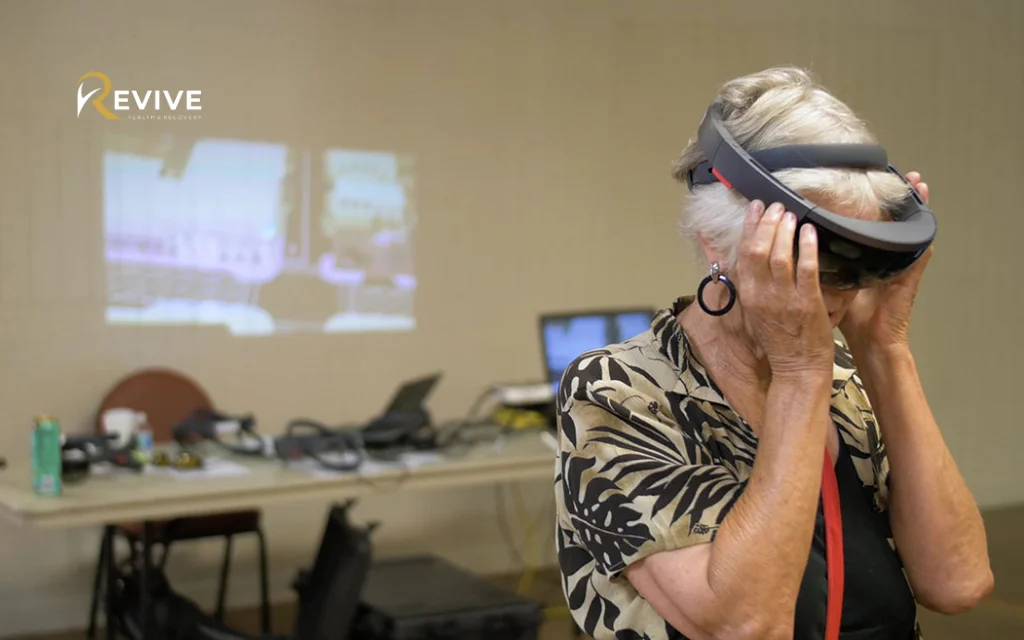
Trauma, VR, and community support in Denver and Colorado
How Denver is using virtual reality for trauma care
Denver mental health providers increasingly integrate virtual reality into trauma treatment. CBT Denver offers VR exposure therapy for PTSD, anxiety, and phobias using immersive headsets and controlled scenarios. This addresses the needs of Denver residents facing barriers like long commutes, severe weather, or discomfort in crowded waiting rooms.
Colorado has pushed to expand mental health access and integrate innovative treatments. VR therapy provides an alternative for people who struggle with imaginal exposure or feel stuck after months of talk therapy. Sessions typically happen in private practice offices equipped with Oculus headsets. Your therapist customizes scenarios based on your specific trauma history and triggers.
Where virtual communities fit into Colorado trauma recovery
Colorado-based virtual trauma groups serve Denver residents seeking connection. Online PTSD support groups allow participation from rural areas where in-person options do not exist. First responders and veterans often prefer virtual communities because they can attend from home without worrying about being recognized.
Virtual communities complement local therapy by providing support between sessions. A complete trauma recovery plan includes personal coping tools, professional therapy, and safe peer connection. Denver residents benefit because the city offers both innovative clinical services and active recovery communities.
Is VR trauma therapy or a virtual community right for you?
Signs you might benefit
You might benefit from virtual reality trauma therapy if you experience:
- Persistent flashbacks or nightmares
- Avoidance of places or activities that remind you of trauma
- Anxiety in specific situations like driving or crowds
- Feeling disconnected from others
- Feeling stuck after trying traditional talk therapy
Virtual communities may help if isolation or shame keeps you from talking about trauma in everyday life.
Questions to ask a provider about VR and trauma
- Evidence and training: What research supports your use of VR? What training do you have in trauma and VRET?
- Safety: How do you screen for dissociation and suicidality? How do you handle overwhelming moments? How personalized are scenarios?
- Progress tracking: How do you measure whether VR therapy is working?
- Integration: Do you use VR alone or combine it with EMDR, CBT, or other trauma therapies?
How to use virtual communities without overwhelming yourself
Set personal boundaries before joining. Decide how much time you will spend weekly and what topics you feel ready to discuss. Evaluate the group culture: Does it emphasize compassion, clear rules, and professional help when needed?
Integrate insights from groups into therapy sessions. Virtual communities work best as a supplement to professional care, not a replacement.
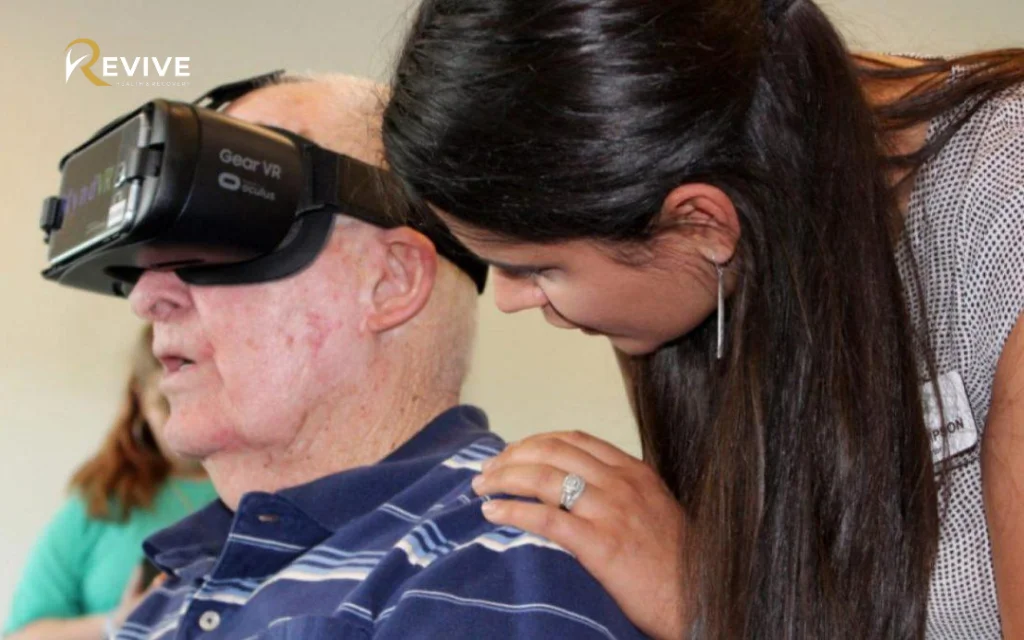
How Revive Health Recovery uses virtual reality to support trauma healing in Denver
Who Revive serves and how care works
Revive Health Recovery is a trauma-focused healing center in Denver providing outpatient services for adults coping with PTSD, complex trauma, and co-occurring mental health issues. We serve people who want flexible, non-residential support without leaving home or work for weeks.
We emphasize trauma-informed care: safety, transparency, collaboration, and empowerment. You make decisions about your treatment. Our population includes first responders, veterans, accident survivors, and people healing from interpersonal violence.
VR technology and program design at Revive
Revive uses state-of-the-art Oculus headsets paired with trauma-specific software. Clinicians customize scenarios based on your trauma history and goals, building a graded exposure plan that reflects specific details of what you experienced.
Our programs include intensive outpatient and continuing care options. During intake, your therapist assesses trauma history and readiness for exposure work. Throughout treatment, clinicians monitor physiological responses using biofeedback tools tracking heart rate and breathing patterns, adjusting intensity in real time.
Community healing and innovative trauma care in Denver
Revive commits to community education and stigma reduction around trauma in Denver and Colorado. We integrate VR therapy into a broader healing framework including psychoeducation groups, mindfulness and grounding techniques, and family involvement.
One person spent two years in talk therapy after a car accident but could not drive due to panic attacks. After eight VR exposure therapy sessions combined with skills groups, they drove independently again. Another client, a Denver firefighter with repeated trauma exposure, found hope through our VR program after feeling disconnected for months.
Ready to explore trauma and virtual reality communities with professional support?
Call us anytime: (303) 268-4655
Email: contact@revivehealthrecovery.com
Visit us: 1427 S Federal Blvd, Denver, CO 80219
Practical steps: Getting started with trauma and VR support
How to prepare for a VR trauma session
Write down questions before your appointment. Clarify your goals: Do you want to reduce nightmares, stop avoiding places, or feel less anxious daily? Learn grounding skills like deep breathing before your first session so they feel familiar when needed.
Understand that consent is ongoing. You can pause or stop VR exposure anytime. Pausing does not mean failure.
Finding and choosing safe virtual communities
Check credentials of group leaders. Do they have mental health training? Read group rules before joining. Safe communities have clear guidelines about confidentiality and respectful communication.
Start with time-limited participation. Join for a month and assess how you feel after each meeting. Remember that no online community should replace professional care when symptoms are severe.
Looking for both VR therapy and community connection in Denver? Revive Health Recovery can help you build a complete support network.
Call us 24/7: (303) 268-4655
Email: contact@revivehealthrecovery.com
FAQs about trauma and virtual reality communities
Is virtual reality therapy safe for people with severe trauma or PTSD?
Yes, when conducted by trained trauma therapists who carefully screen clients first. Providers assess for active psychosis, severe dissociation, or acute suicidality before beginning VR exposure. Therapists adjust intensity based on your responses and can stop sessions immediately if needed. Revive Health Recovery provides comprehensive screening to ensure VR therapy is safe for you.
Can VR trauma therapy replace in-person counseling?
No. VR trauma therapy is a tool used within counseling, not a replacement. Most people get the best outcomes when combining VR exposure with trauma-informed talk therapy at Revive Health Recovery. Think of VR as one powerful technique in a comprehensive treatment plan.
What does a virtual reality trauma session feel like?
You wear a headset displaying a 3D environment related to your trauma while hearing sounds through headphones. Your therapist’s voice guides you throughout. You can keep your eyes closed or remove the headset anytime. Many people feel nervous at first, then gradually more comfortable. Afterward, you might feel emotionally tired but relieved.
How do I know if an online trauma community is trustworthy?
Trustworthy communities have clear rules, active moderation, and respect for boundaries. Moderators should have mental health training. The community should emphasize professional help for severe symptoms rather than claiming peer support alone is enough. If a community feels chaotic or discourages therapy, look elsewhere.
Does Revive Health Recovery offer inpatient trauma treatment with VR?
Revive Health Recovery is a healing center, not a hospital, so we do not provide inpatient care. We offer outpatient trauma recovery services that integrate VR therapy with comprehensive support. You attend sessions at our Denver location while living at home and continuing your daily life.
Have more questions?
Call us: (303) 268-4655 or email: contact@revivehealthrecovery.com
Conclusion
Virtual reality exposure therapy and trauma-focused online communities offer evidence-informed ways for trauma survivors in Denver and Colorado to confront painful memories safely, reduce PTSD symptoms, and reconnect with others when guided by compassionate professionals. Exploring trauma and virtual reality communities can be one powerful path in your healing journey.
Trust your intuition as you gather information and ask questions. Step toward the type of support that feels both safe and hopeful. You can take small steps, learn as you go, and adjust your plan based on what helps.
If you live in Denver or anywhere across Colorado and want to explore trauma-informed outpatient care that thoughtfully integrates virtual reality exposure therapy with human compassion, reach out to Revive Health Recovery.